Setúbal: The Next Chapter in Portugal's Real Estate Market
You don't have time to read? Now you can listen.
The Setúbal Peninsula is one of Portugal's most distinctive regions, where nature, history, Atlantic identity and economic vitality intersect in a rare way. Dominated by the Serra da Arrábida, a UNESCO Biosphere Reserve, and shaped by the Sado Estuary, crystal-clear beaches, wines, the renowned choco frito and its inclusion in the Club of the Most Beautiful Bays in the World, the region brings together attributes that go far beyond the traditional perception of a peripheral city. For too long, it was seen merely as the city south of Lisbon or as the gateway to Troia. Today, that reading is becoming insufficient.
Setúbal is entering a new phase in its urban and real estate cycle. It is gradually moving away from being understood only as an alternative or a place of passage and is beginning to assert itself as a geography with value in its own right. This change is not accidental. It results from a rare combination of factors: proximity to the capital, a riverfront location, a direct relationship with the sea, urban heritage, natural surroundings, port activity, an economic fabric, tourism demand and a quality of life that is increasingly difficult to find in other areas of Greater Lisbon.
Lisbon remains Portugal's main centre of decision-making, capital and international demand. However, the maturity of the Lisbon market, rising prices and the scarcity of truly differentiated product have led investors, families and operators to look more closely at nearby geographies that still offer room for appreciation. Setúbal fits precisely into this profile. It is close enough to Lisbon to benefit from its momentum, but distinct enough to build its own identity, based on an urban, natural and economic way of life that results from an uncommon combination of factors.
Even so, the comparison with Lisbon must be made carefully. Setúbal should not be analysed merely as a more affordable option. The true potential of the city lies in its ability to bring together dimensions that rarely coexist with such proximity to the capital: a direct relationship with the water, a still human urban scale, access to protected nature, historical heritage, a logistics and industrial connection, and growing appeal among residents, visitors and investors. It is precisely this combination that makes the local real estate market particularly relevant at a time when capital is looking not only for price, but for fundamentals.
The relationship with Troia and Comporta also contributes to this new perception. In recent years, these geographies have consolidated themselves as destinations associated with exclusivity, nature and premium real estate investment. Setúbal, because of its geographical position, inevitably benefits from this proximity. But its role should not be limited to that of a gateway to these destinations. The city has the conditions to develop its own proposition: more urban, more permanent and more diversified, capable of combining housing, services, tourism, culture, the blue economy, logistics, well-being and quality of life.
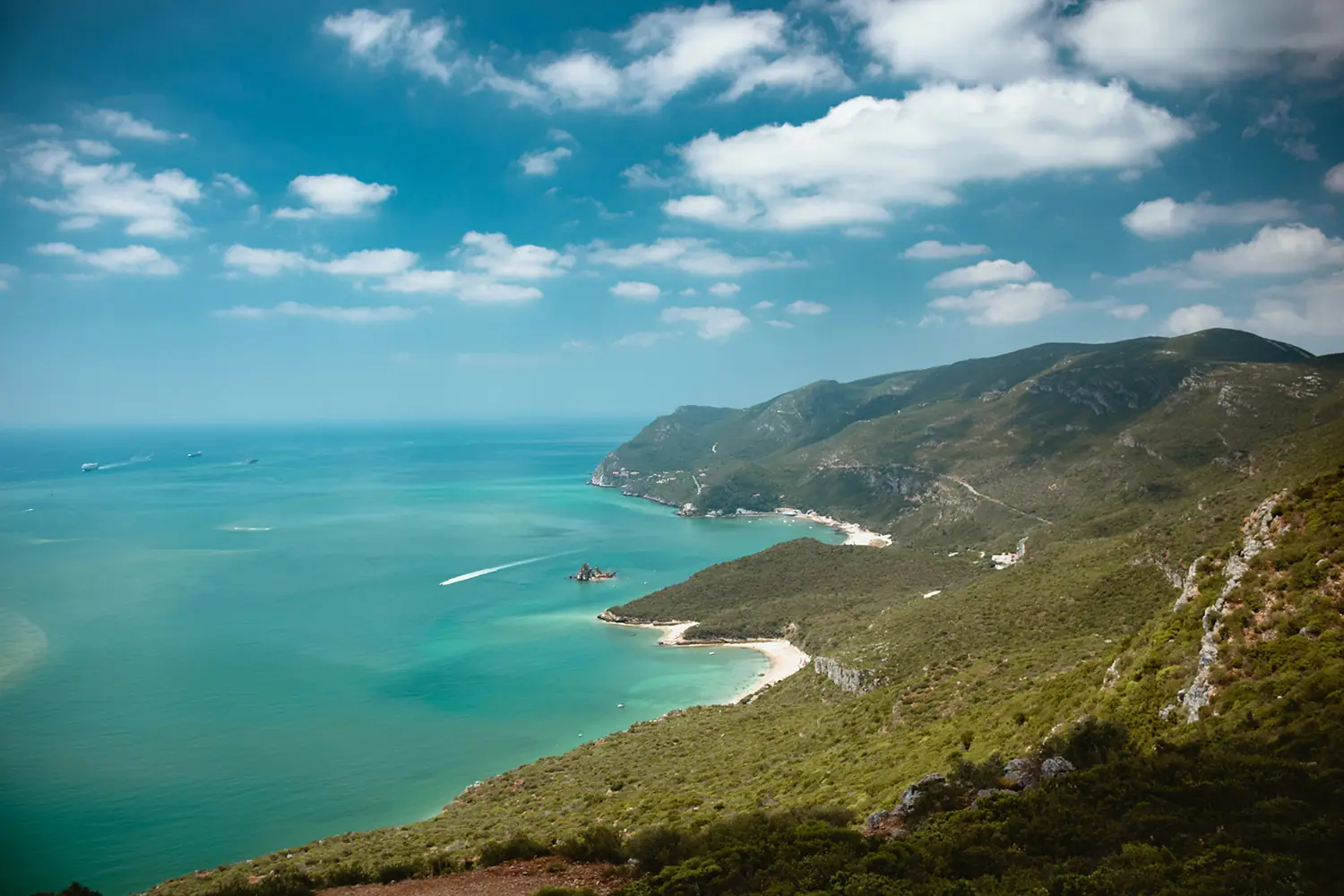
Serra da Arrábida, Setúbal, Portugal. Photo of Tiago Eira in Unsplash
This is where Setúbal's real estate market becomes especially interesting. It is not only a matter of observing price evolution. It is about understanding how the territory is being reread. Assets that may once have been considered secondary are now being analysed from a new perspective: location, scale, rehabilitation potential, views, accessibility, urban context, proximity to the river, connection to nature, Atlantic beaches and the ability to respond to new ways of living, working and investing.
This shift is particularly relevant for those who hold real estate assets in the city. The value of an asset does not depend only on its area, state of conservation or immediate location. It also depends on market timing, the surrounding urban vision and the ability to anticipate future demand. In Setúbal, that moment appears to be taking place. The city is no longer just a distant promise; it is beginning to be observed more closely by those seeking real fundamentals rather than merely speculative movements.
At the same time, this potential requires discipline. Setúbal's appreciation should not be confused with disorderly growth. On the contrary, the next phase of the city will depend on the quality of both public and private decisions. More qualified real estate projects, better urban integration, respect for the local scale, efficient processes, the enhancement of public space and environmental sensitivity will be decisive in transforming potential into sustainable value. In this context, modern developments already under construction bear witness to a new urban quality in the region and indicate that the market is beginning to respond to more demanding demand.
The project of the current municipal executive, led by Maria das Dores Meira, also introduces a relevant signal. The orientation towards restoring centrality, dynamism and urban quality to Setúbal appears to align with what the city needs at this stage: a clearer, more demanding vision, more focused on the structural enhancement of the territory. For the real estate market, this framework is important. Cities with political direction, urban ambition and execution capacity tend to generate greater confidence among investors, operators and property owners.
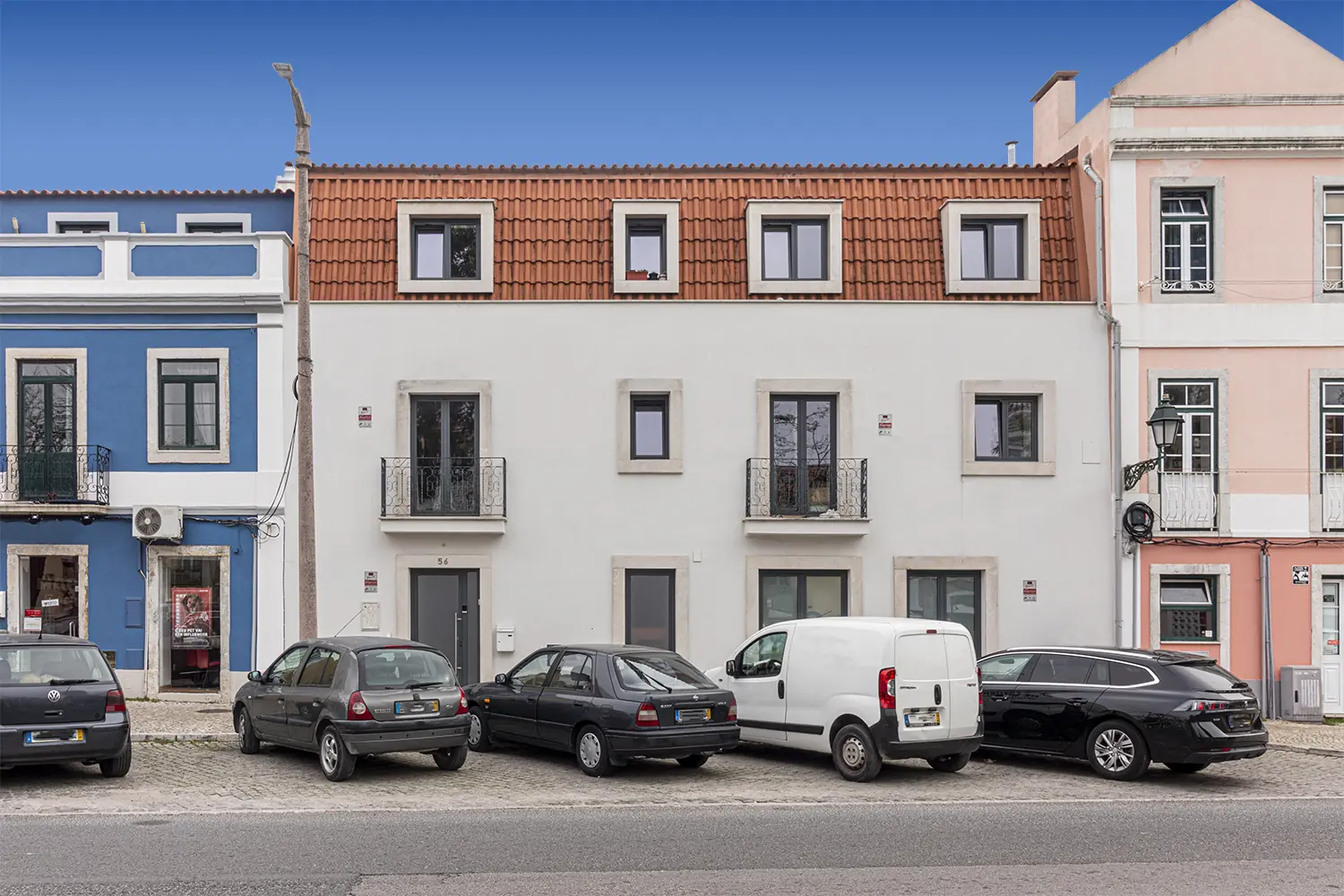
Prédios típicos em Setúbal. Fotografia por TOTE SER Capital
The tourism dimension reinforces this reading. Setúbal has been consolidating itself as a visitor destination, but its greatest potential may lie in the transition from occasional tourism to permanent attractiveness. The city offers gastronomy, heritage, sea, nature, culture and proximity to some of the country's most valued destinations. This combination allows it to attract different profiles: short-stay visitors, national residents, international buyers, professionals seeking quality of life and investors attentive to markets still in consolidation.
The Port of Setúbal adds another strategic layer. Unlike purely residential or tourist destinations, Setúbal has a real economic base. Port activity, industry, logistics and investments in accessibility reinforce the city as a productive territory, not merely a contemplative one. For real estate, this dimension is relevant because it diversifies demand and reduces dependence on a single segment. Housing, services, logistics, hospitality and mixed-use projects can coexist within a more robust urban ecosystem.
The challenge lies precisely in balancing these forces. Setúbal does not need to copy Lisbon, nor replicate Comporta. It needs to assert its own matrix: an Atlantic and riverside city, with scale, authenticity, heritage and room to evolve. The real estate market will play a central role in this evolution, provided that value creation is not driven only by rising prices, but by the qualification of assets, the intelligence of the product and the ability to respond to the real needs of the territory. This transformation has already begun.
For investors, Setúbal today presents a combination that is difficult to ignore: solid urban fundamentals, prices that remain competitive compared with more consolidated markets, growing demand, an exceptional natural setting and signs of renewed institutional ambition. For those observing the Portuguese market with a medium- to long-term perspective, the city is beginning to emerge as a geography where there is still room to create value, provided there is vision, structure and execution capacity.
Setúbal is therefore at a point of transition. It no longer belongs only to the map of alternatives. It is beginning to enter the map of strategic decisions. The next chapter of Portugal's real estate market may not be written only in the most obvious centres, but also in cities capable of combining identity, accessibility, quality of life and transformation potential. Setúbal brings these conditions together. The question now is who will be able to read them in time.