New Projects Are More Resilient and Further Optimized
You don't have time to read? Now you can listen.
The COVID-19 pandemic exposed a structural fragility within the real estate sector: the dependence on tourism as the primary demand driver for short-term rentals. Within a few months, a highly profitable segment faced minimal occupancy levels, placing immediate pressure on investors and operators. In Portugal, the impact was evident. Data from the National Institute of Statistics showed historic declines in tourism activity, with direct consequences on the utilization of properties allocated to short-term rental. This context forced the market to adjust rapidly, particularly in cities such as Lisbon and the Algarve, where this segment had significant weight.
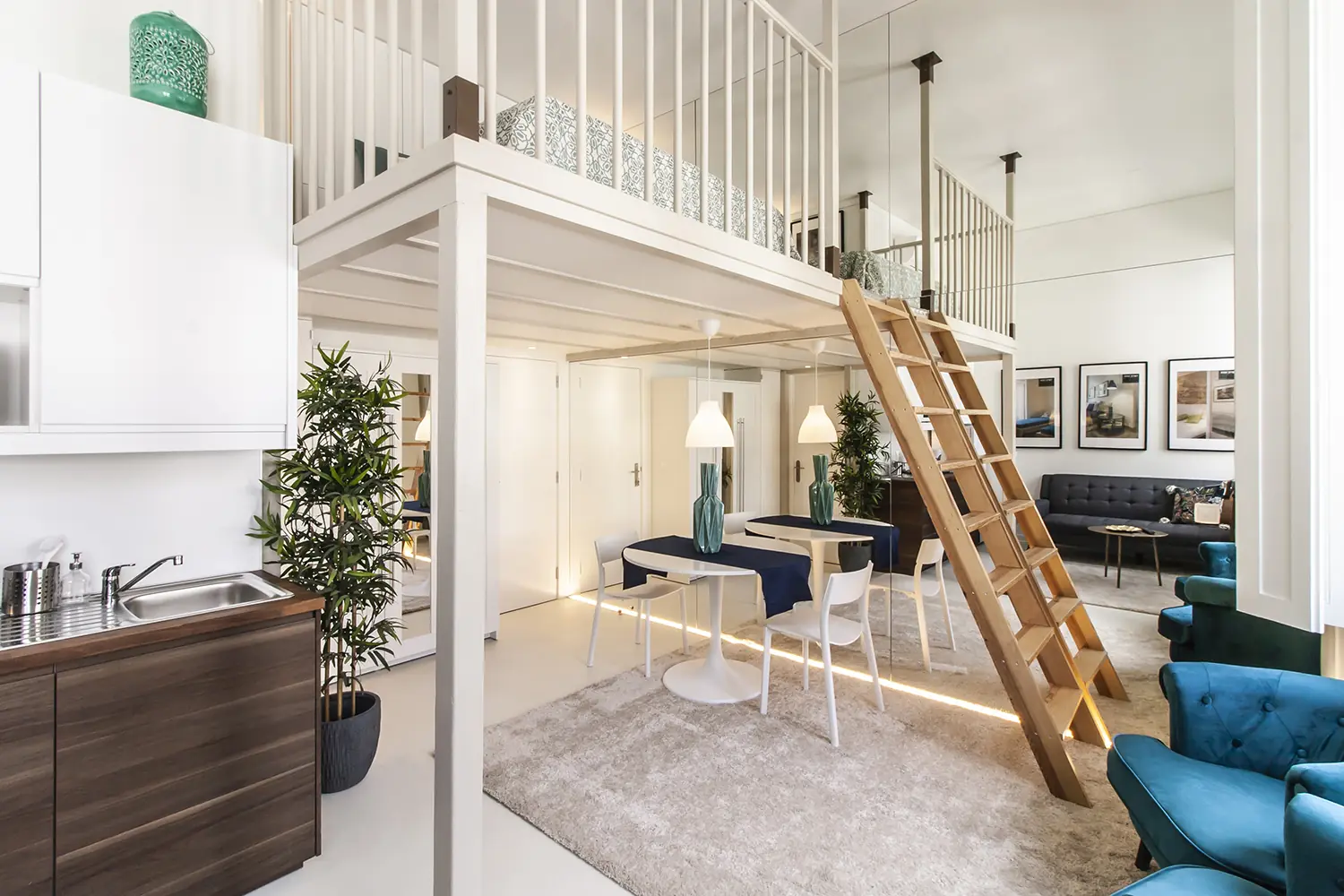
Apartment converted for traditional rental
At TOTE SER Capital, the impact was immediate. With a portfolio largely exposed to this segment, we experienced an abrupt drop in income. The response required both speed and strategic clarity. We chose to reposition our assets toward mid-term rentals, structuring contracts of approximately one year. This transition allowed us to stabilize cash flows while capturing emerging demand. With the gradual reopening of borders in 2021, there was a significant increase in remote professionals and digital nomads. Platforms such as Idealista reported growing demand for rentals from foreign tenants, particularly in urban centers. This profile valued flexibility, location, and compact typologies – characteristics that closely matched our portfolio, which had previously been allocated to short-term rental.
At the same time, relevant shifts emerged in domestic demand. The extended confinement period impacted family dynamics, leading to an increase in separation rates. According to data from the Institute of Registries and Notaries, between 2021 and 2024 there was a rise in divorce rate following the most critical phases of the pandemic. This phenomenon generated greater demand for individual housing, often of smaller size. This factor proved particularly relevant. Typical short-term rental properties – studios and small apartments – began to directly meet this new demand. What initially represented a risk became a competitive advantage, enabling an effective repositioning of assets.

Photo by Content Pixie in Unsplash
Another important factor was the continuity of construction activity. Despite the context of uncertainty, projects were not halted. «This scenario, combined with the experience our management team gained during the 2008 crisis, reinforced the need to maintain financial discipline, prudence, and adaptability - principles that are now embedded in the way we design […] the new projects we develop have taken on a more adaptive nature to respond to potential market changes. Thanks to all the work carried out in previous years, the company's solidity allowed us to act strategically, without short-term pressure.» stated our CEO & Founder, Helder Pereira Coelho. This concept responds to structural trends such as smaller household sizes, increased professional mobility, and demand for more flexible living solutions.
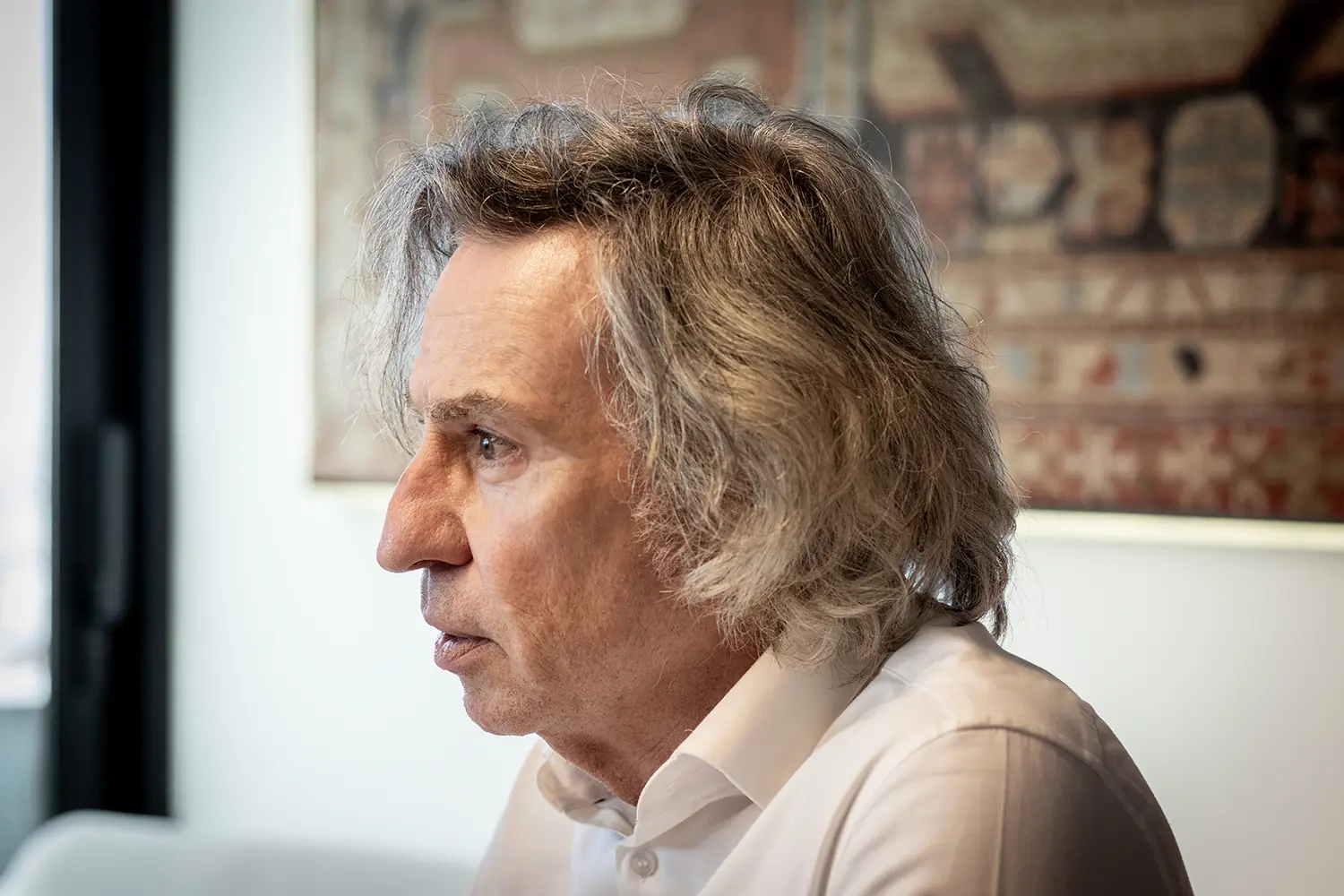
Helder Pereira Coelho (Arch), CEO & Founder of TOTE SER Capital
Our response extended beyond operational adaptation. We advanced with asset reconversion, transforming commercial and logistical spaces into residential units, co-working environments, among others. This movement increased portfolio efficiency and aligned our offering with the new market reality, strengthening our preparedness for future shifts. A concrete example is the "Marvila Project", where we developed co-living solutions from properties previously designated for other uses. This project currently ranks as the top-performing asset within our managed portfolio, delivering outstanding yields compared to prevailing market standards.
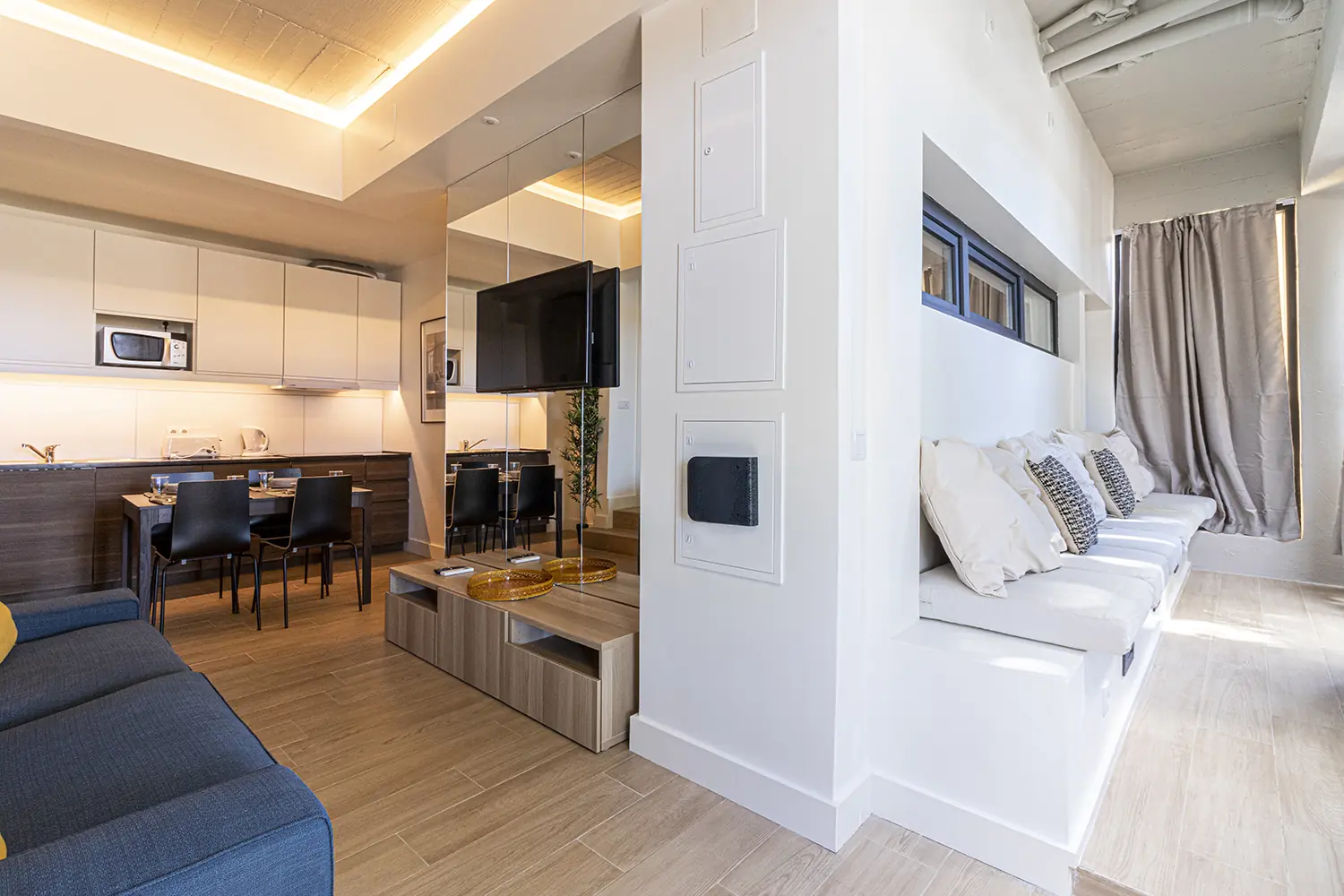
One of the many properties converted into co-living spaces in Marvila
This period reinforced a fundamental conclusion: in real estate, resilience does not depend on market stability, but on the ability to adapt. Diversification of strategies, accurate demand analysis, and disciplined execution are critical factors for navigating adverse cycles.
At TOTE SER Capital, this approach continues to guide our actions. Rather than merely reacting to change, we aim to anticipate it and structure decisions that ensure long-term consistency. Ultimately, it is the foresight embedded in the types of projects we identify that makes us more robust in the face of future market volatility and adverse conditions.